
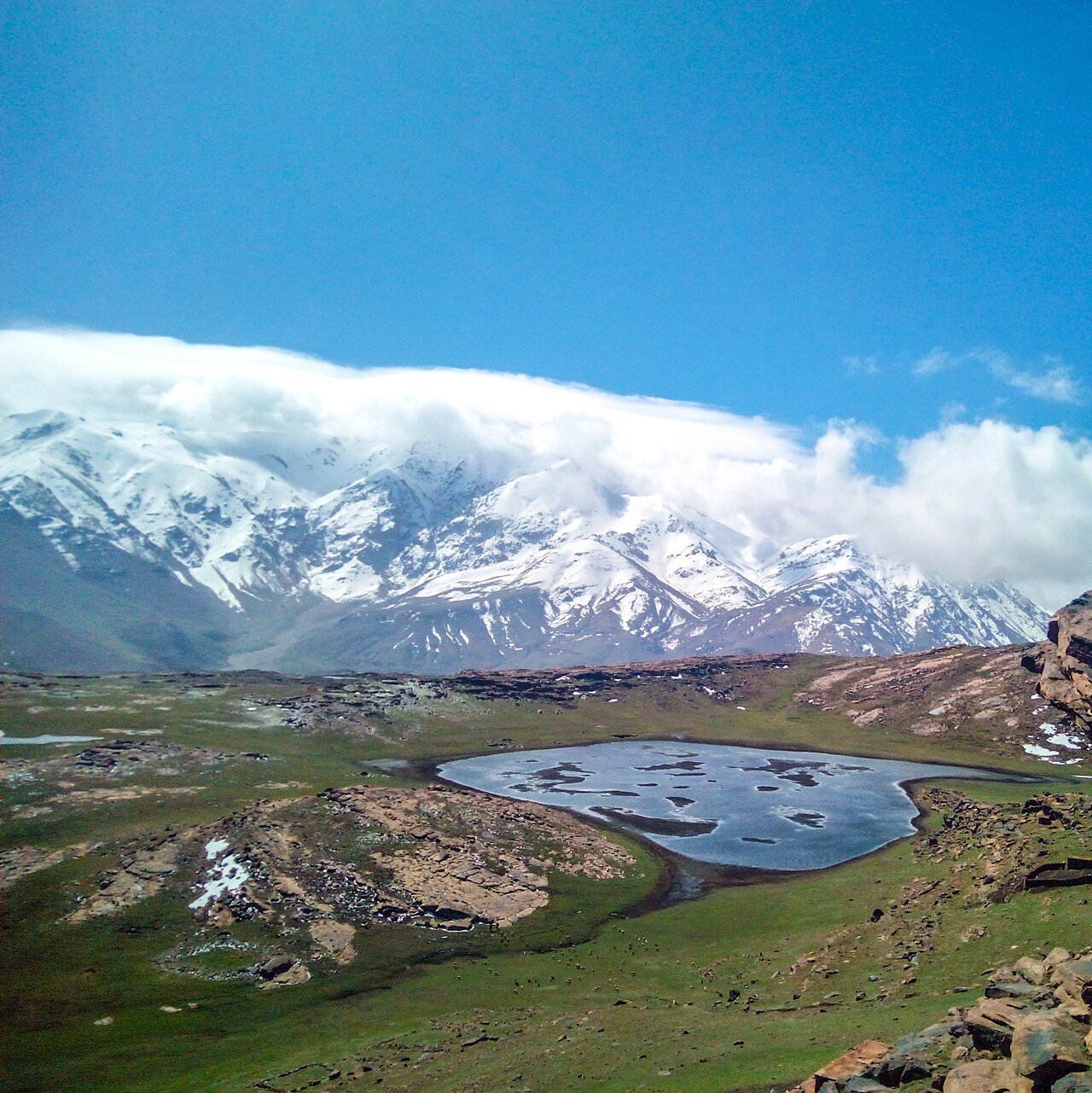
Morocco
from the souks of Marrakech to the Atlas Mountains
DATE TBC
Cycling in Morocco offers an extraordinary adventure, blending dramatic geography, rich cultural immersion, and challenging terrain. From the high-altitude passes of the Atlas Mountains to the quiet expanses of the Anti-Atlas and the edge of the Sahara, it is a destination that rewards endurance and curiosity. Combining Marrakech and the High Atlas Mountains is the ultimate Moroccan cycling experience. You transition almost overnight from the chaotic, sensory-rich energy of the Marrakech medina into the quiet, imposing grandeur of North Africa's highest peaks. At the time of writing we are still finalising our itinerary and other details but here is an example of the kind of point-to-point trip we anticipate.
1. The Classic Atlas Loop
The most iconic route starts and finishes in Marrakech, looping over the mountains toward the desert edge and back.
Leg 1: Marrakech to the High Atlas Ascents (e.g., Tizi n’Tichka or Tizi n’Test) Leaving Marrakech, the road gently rolls through olive groves and flat foothills before the climbing truly begins. Most riders head south toward the famous Tizi n’Tichka Pass (reaching an elevation of 2,260 meters) or the wilder Tizi n’Test Pass. Expect long, sustained gradients (around 6% to 10%) that require steady pacing and low gearing.
Leg 2: Descending into the Ounila Valley & Telouet Crossing the spine of the mountains rewards you with dramatic descents into deep red river canyons. Many routes pass Kasbah Telouet, the grand abandoned palace of the Glaoui pashas, nestled in a dramatic, isolated valley.
Leg 3: Aït Benhaddou & The Desert Fringe Dropping further south brings you to Aït Benhaddou, a stunning UNESCO World Heritage ksar (fortified mud-brick village) made famous by countless films. This makes for an ideal rest or exploration day before turning the handlebars back toward the mountains.
Leg 4: The Return to Marrakech Returning north usually means tackling another major valley climb or working your way back along secondary mountain roads, treating you to sweeping views of terraced fields and distant snow-capped peaks.
2. What to Expect on This Route
The Traffic Transition: Leaving Marrakech requires navigating heavy city traffic and swarms of mopeds. However, once you are 20 to 30 kilometres outside the city and climbing into the mountain foothills, traffic drops off dramatically, leaving you with quiet roads shared mostly with local shepherds and village children shouting friendly greetings.
The Climate Contrast: Marrakech can be intensely hot, but temperatures drop rapidly as you gain altitude. Even in spring or autumn, mountain passes can be freezing in the early mornings or evenings, and wind protection and thermal layers are non-negotiable.
Bike Choice: A road bike with clearance for wider tires (28mm–32mm) works if you stick strictly to the main paved passes (like the N9 over Tichka). However, a gravel bike or endurance/touring bike is far better, as it allows you to explore unpaved kasbah tracks, side valleys, and ancient caravan paths.
““Viva Velo organized the Pyrenees coast to coast cycle tour, from Biarritz to Collioure. The trip was well organized and they had set up challenging routes through the Pyrenees, but at the same time took into account the participants’ different experience when it comes to cycling trips. There were 3 routes to choose from each day, hard/medium/easy route and this meant that everyone could choose a route adapted to their own level. The hotels we stayed at were of a good standard and all had secure bicycle parking. Viva Velo’s team followed up all the participants in a good way, made sure we had enough food and drink, and there was also a mechanic in the team who could help if there were technical problems. I would definitely recommend Viva Velo and if I am going on a similar trip, Viva Velo is the [team] I would contact first..” ”

The central market place in Marrakesh (photo by Holger Uwe Schmitt under Creative Commons Attribution-Share Alike 4.0 International
what you get
- B&B accommodation in local hotels
- Fully guided routes
- A vehicle to carry your luggage and provide mechanical support
- GPX files on request
- Return airport transfers
prices
TBC
Please note that all prices quoted will be based on an estimate of costs, contain a 10% contingency and are without early adopter discount. The final price paid will depend on the number of participants and the confirmation of prices with suppliers. This means the final price paid will almost certainly be lower.
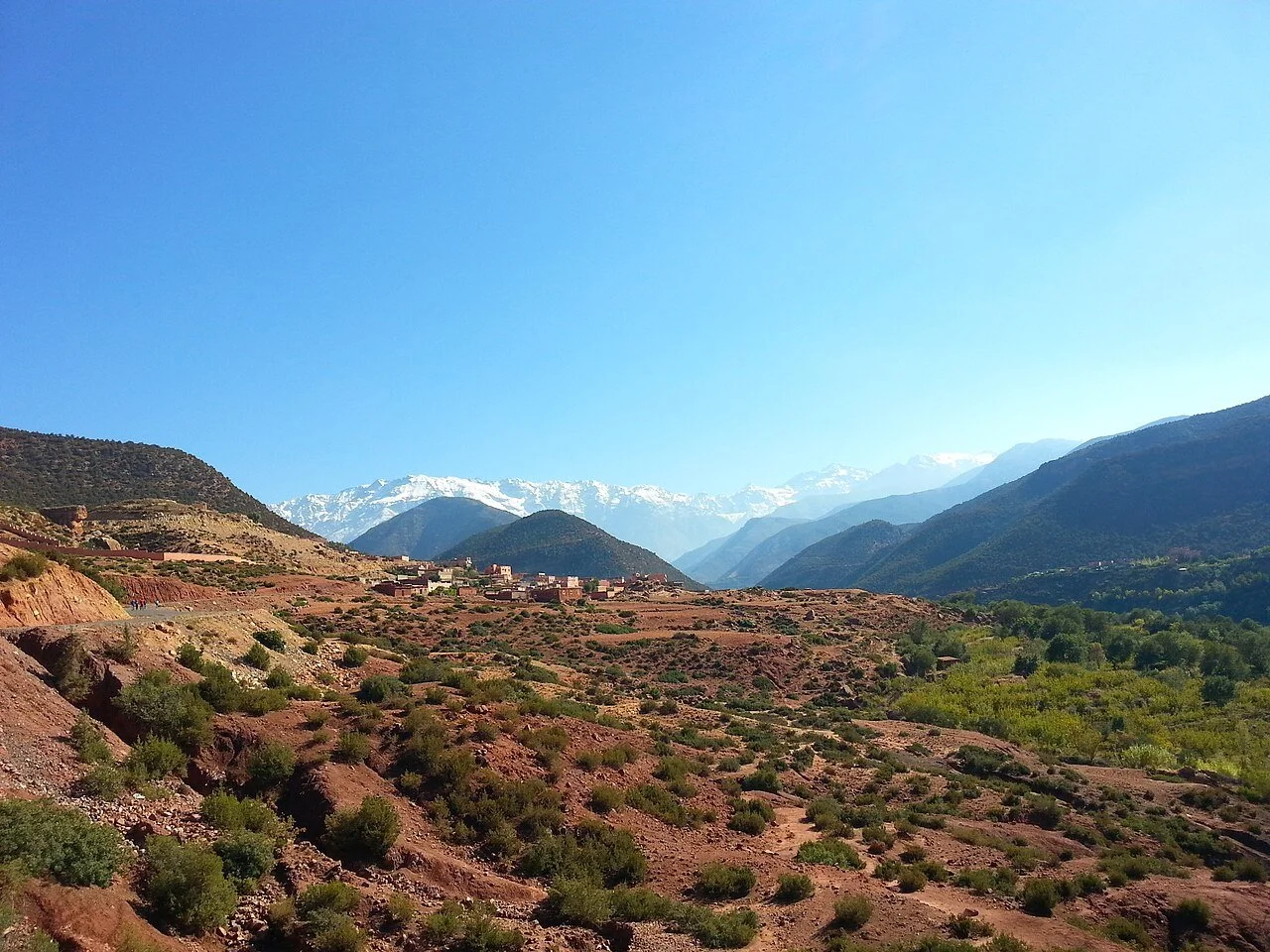
Dejebel Toubkal with a view of the Atlas mountains (photo by Dorieo under Creative Commons Attribution-Share Alike 4.0 International)